

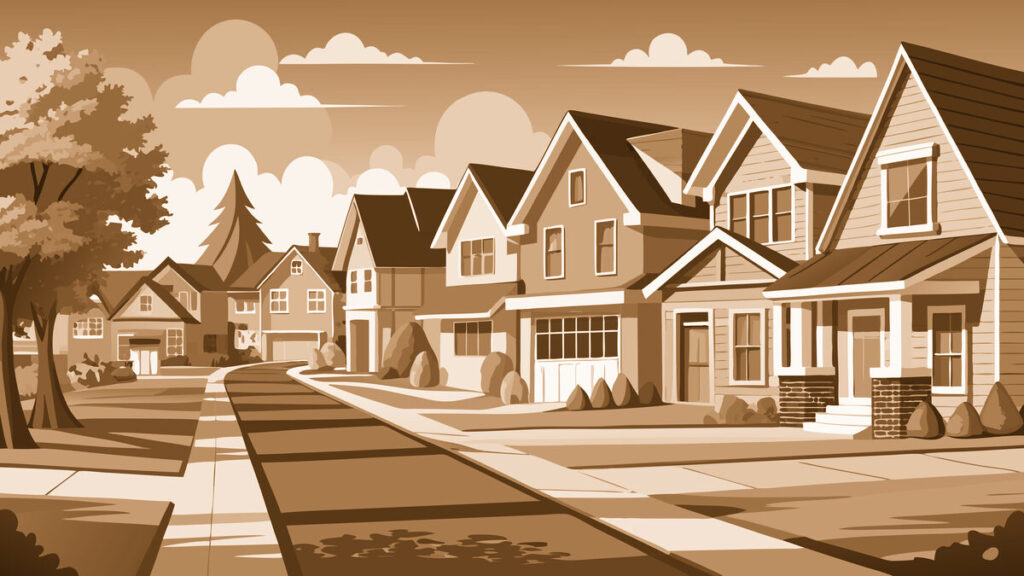
Nestled on the northern fringe of Asheville, North Carolina, Lakeview Park stands as a picturesque and storied neighborhood. With its leafy lanes, historic homes, and the serene expanse of Beaver Lake at its heart, Lakeview Park is more than just a residential area — it’s a living reflection of Asheville’s ambitions, community spirit, and preserving charm. As you wander through the streets like Wildwood Road, Lynwood Road, or Midland Drive, you can almost feel the echoes of its bright beginnings and gentle evolution.
The Origins of Lakeview Park
Lakeview Park traces its roots back to the 1920s, during one of Asheville’s most optimistic eras of growth. As the city burgeoned as a haunt for wealthy Southerners and visionaries, the idea for a “garden suburb” took hold. Developers and civic leaders imagined an elegant residential district, centered around an expansive man-made lake that would offer both tranquil views and recreational opportunities.
It was in 1922 that the dream began to take shape: the North Asheville Improvement Company, with the enthusiastic cooperation of landowners and local civic leaders, created an ambitious plan for what would become Beaver Lake—named for a nearby stream and sightings of playful beavers in the early days. The surrounding neighborhood would come to be dubbed Lakeview Park, in reference to the park-like setting encircling the lake and its inviting waters.
Key Historical Milestones
From its very inception, Lakeview Park was designed to attract forward-thinking Asheville residents seeking stately homes in a scenic setting. Some notable milestones include:
- 1922: Creation of Beaver Lake: Conceived as both a community centerpiece and a practical reservoir, Beaver Lake was formed by damming a small tributary. Streets soon radiated out in a gentle curve around the shoreline, offering sweeping lake views.
- 1920s and 1930s: Building Boom: Elegant homes were built along Midland Drive, Merrimon Avenue, and Lake Shore Drive. Styles ranged from classic Tudor Revivals to charming cottages and stately Colonial Revivals—many of which still stand today, largely unchanged.
- 1930s: The Country Club of Asheville: The original club was situated near the lake, becoming a social hub for neighborhood gatherings and recreation. The present-day Asheville Country Club, just north of the neighborhood, continues the tradition.
- 1940s-1960s: Flourishing Community: The post-war decades saw families flock to Lakeview Park for its balance of accessibility to downtown and the peaceful allure of its tree-lined streets.
Notable Landmarks and Institutions
What truly cements Lakeview Park’s place in Asheville’s heart are its landmarks—iconic places that generations of locals and newcomers alike cherish.
- Beaver Lake and Beaver Lake Bird Sanctuary: At the soul of the neighborhood, the 65-acre lake remains a vital refuge for both people and wildlife. The Bird Sanctuary, accessible from Merrimon Avenue, was established in the 1980s by the Elisha Mitchell Audubon Society. Today, it’s a beloved natural respite, with winding trails, quiet observation decks, and an impressive array of migratory birdlife.
- Biltmore United Methodist Church: Standing at 376 Hendersonville Road, this church is one of the long-standing institutions in the neighborhood, bringing together generations for worship, outreach, and community events.
- Historic Homes: Many of the homes lining Wildwood Road, Sheffield Place, and Sunset Drive carry the pride of original 1920s construction. Large, sloping lawns, decorative ironwork, and graceful entryways speak to the neighborhood’s historic roots.
Streets Steeped in Heritage
Walking the neighborhood is like paging through a well-loved family album. Key streets have evolved with the times, all the while preserving their distinctive charm:
- Merrimon Avenue: Once a quiet thoroughfare, Merrimon is now a gently bustling corridor lined with a mix of old and new, from heritage homes to neighborhood boutiques and eateries.
- Wildwood Road, Midland Drive, Lynwood Road: Shaded beneath mature oaks and maples, these streets embody the quiet dignity and neighborly spirit that Lakeview Park is known for.
- Lake Shore Drive: True to its name, this address boasts some of the most stunning views of Beaver Lake, with many original homes gazing out upon sunsets reflected in gentle waters.
Evolving Through the Decades
What makes Lakeview Park truly special is its remarkable ability to evolve while holding onto the best of its past. Here’s how the neighborhood has grown and changed:
- Mid-20th Century Growth: With Asheville’s population growing post-WWII, a new generation of families discovered the appeal of Lakeview Park’s classic homes and open spaces.
- Conservation and Community: In recent decades, the neighborhood rallying around Beaver Lake’s protection has been a defining feature. The establishment and ongoing care of the Bird Sanctuary, along with careful zoning, has preserved the natural beauty for future generations.
- Modern-Day Vibrancy: Today, Lakeview Park is a diverse blend of long-time Asheville families and newcomers. Walkers, runners, birdwatchers, and kayakers fill the park, and community events—such as the annual neighborhood picnic or autumn leaf walks—add to the sense of belonging.
What Makes Lakeview Park Special
Lakeview Park’s charm lies not just in its lovely homes or the sparkle of Beaver Lake, but in its spirit. It is a place where the past is lovingly tended—a neighborhood shaped by visionaries, preserved by devoted residents, and enriched by each new arrival.
Ask any long-time resident, and you’ll hear why so many call Lakeview Park home: It’s the quiet mornings when mist hovers over the lake, the laughter of children at play, the camaraderie of neighbors, and the timeless beauty of a place that manages, year after year, to stay just a little magical.
Whether you’re a visitor admiring the lakeside view, a birdwatcher delighting in the sanctuary, or a new homeowner seeking roots, Lakeview Park welcomes you—with history, hope, and open arms.